How Should I Prepare My Plumbing for Hurricane Season in Savannah?
Before a storm: know where the water and gas shut-offs are, raise what you can off the floor, and consider a backwater valve. During: limit water use if drains are slow. After: have flooded water heaters and gas appliances checked before using them.
Request a plumberWhy storms hit Savannah's plumbing
The city sits just above sea level and floods easily in heavy rain, which is why it uses canals and pumping stations. When the system is overloaded, water can push back up house drains.
Before the storm
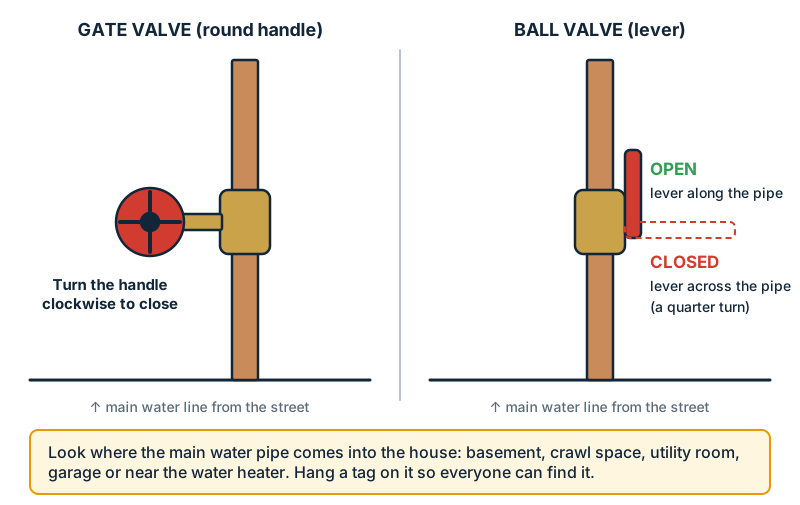
Find the main water shut-off and the gas meter valve. Fill containers with drinking water. Move valuables up from floors in garages and ground-floor rooms.
Backwater valves
A backwater valve on the main sewer line stops waste coming back into the house when sewers are overloaded. It's the single best upgrade for low-lying homes.
If you evacuate
Turn off the main water to stop leaks while you're away, and switch the water heater off or to vacation mode.
During the storm
If drains are slow or water rises in a shower, stop using water. Every flush adds to the overloaded line.
After the storm
Don't use a gas or electric water heater that sat in floodwater until it's inspected. Run water for a few minutes before drinking if there's a boil-water notice lifted, and check for leaks under the house.
What about well and septic homes?
If a well head or septic tank was flooded, don't drink the water until it's tested and don't use the septic heavily until it's checked. Floodwater can carry contamination into a well and overload a septic field for days.
Keep a kit
A flashlight, a wrench for the meter valve and the plumber's number in your phone saves time when the power is out.
More plumbing guides
Need a plumber in Savannah?
Send a request and a plumber will get in touch. Requests answered 7 days a week.
Request a plumberPrefer email? [email protected]